The Hypocrisy of Hatred: Why Afrophobia Exposes Our Worst Contradictions
Xenophobia, specifically in its virulent form of Afrophobia has become one of South Africa’s most shameful exports.
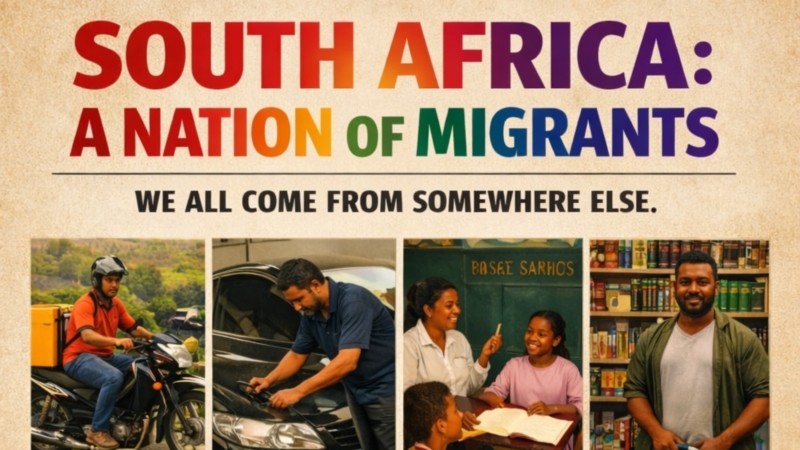
While many citizens react emotionally to the presence of African foreign nationals, a sober look into the historical mirror reveals an uncomfortable truth: nearly every South African is descended from migrants. The only difference is the timeline and the geography of their ancestors' arrival.
From the Nguni migrations and Indian indentured laborers to European colonizers, South Africa’s entire social fabric is woven from movement.
Today, foreign nationals are deeply woven into the country's daily survival. They deliver groceries, fix cars, teach in schools, and run the township spaza shops where locals shop daily. Yet, a toxic mix of political scapegoating and institutional corruption ensures that the system remains broken.
While local officials accept bribes to look the other way, politicians weaponize anti-migrant rhetoric to distract from their own failures in service delivery, employment, and governance.
The most damning indictment of Afrophobia, however, is its glaring selectivity. There is no "Europhobia."
When European corporations buy local brands, open factories, or purchase prime real estate, it is celebrated as progress and Foreign Direct Investment. Politicians roll out red carpets for Western capital. Yet, when a Somali trader opens a shop in Soweto, or a Zimbabwean professional plugs a critical skills gap, they are met with hostility, economic exclusion, and violence. European investors are granted tax breaks; African entrepreneurs are met with petrol bombs.
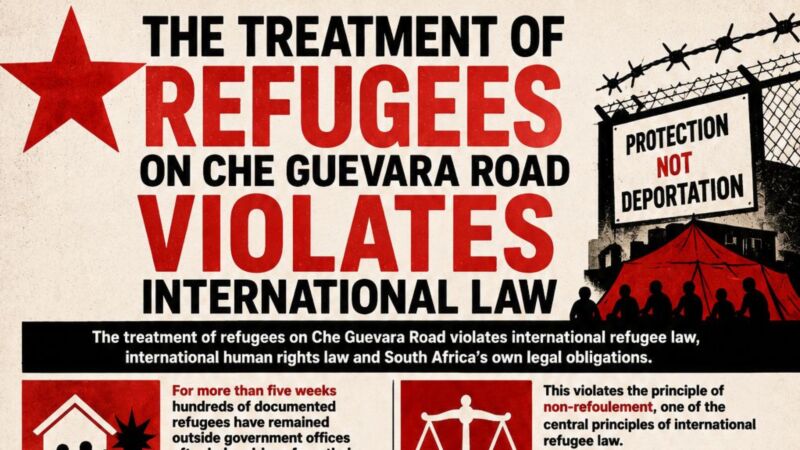
This double standard extends deep into policy. South Africa quietly accommodates dual citizenship for European passport holders and Israeli citizens without public outrage. Meanwhile, an African migrant who has paid taxes, built a business, and raised a family over a decades is trapped in administrative limbo, unable to open a basic bank account. This is not immigration control; it is racialized prejudice masquerading as policy.
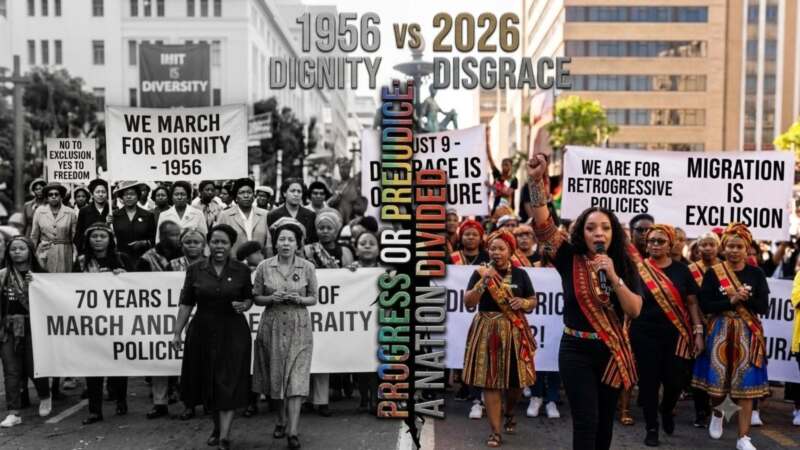
Marching, threats, and xenophobic violence will never alter reality: foreign nationals are here to stay. Intermarriage and integration mean that within two generations, their descendants will be indistinguishable from any other South African.
Until South Africans confront this emotional dishonesty and hold Western capital to the same scrutiny as African traders, the concept of Ubuntu is dead. Foreigners are not the crisis; our hypocrisy is.